
Thank you for signing up!
Great to have you as part of the Sparkline Community
You won’t hear from me every day, it will be no more than 1-2 times a month. Each edition covers data fluency tips, tools, and real-world case studies – practical stuff you can use straight away
If you don’t receive a confirmation email shortly, please check to make sure my domain is whitelisted in your organisation (sparklineadvisory.com).
If you would like to connect with me on LinkedIn, you can do that here:
While you wait for your first email, why not start here 👇

To everyone who just got through exam board season: well done.
Genuinely. If you work in higher education, you’ll know that this time of year carries a particular kind of weight. The months of assessment, marking, moderation, and quality assurance that culminate in an exam board aren’t just administrative processes. They are the moment where years of student effort become an official outcome. Getting that right…
Continue Reading To everyone who just got through exam board season: well done.
Hello, Sparkline
The Data Goddess has started a company. Today Sparkline Advisory officially launches – a consultancy for universities and colleges that want to manage their data well, meet their regulatory obligations without drama, and adopt AI with something other than panic or blind enthusiasm. If you have followed my work for a while, very little about…

The AI didn’t invent the bias. It just paid attention.
There is a particular kind of discomfort that comes from looking at what an AI system has learned and recognising, in its outputs, something uncomfortably human. Not a glitch. Not a malfunction. Not the robot going rogue. Just a very accurate reflection of the world we gave it to learn from. The algorithm that learned…
Continue Reading The AI didn’t invent the bias. It just paid attention.
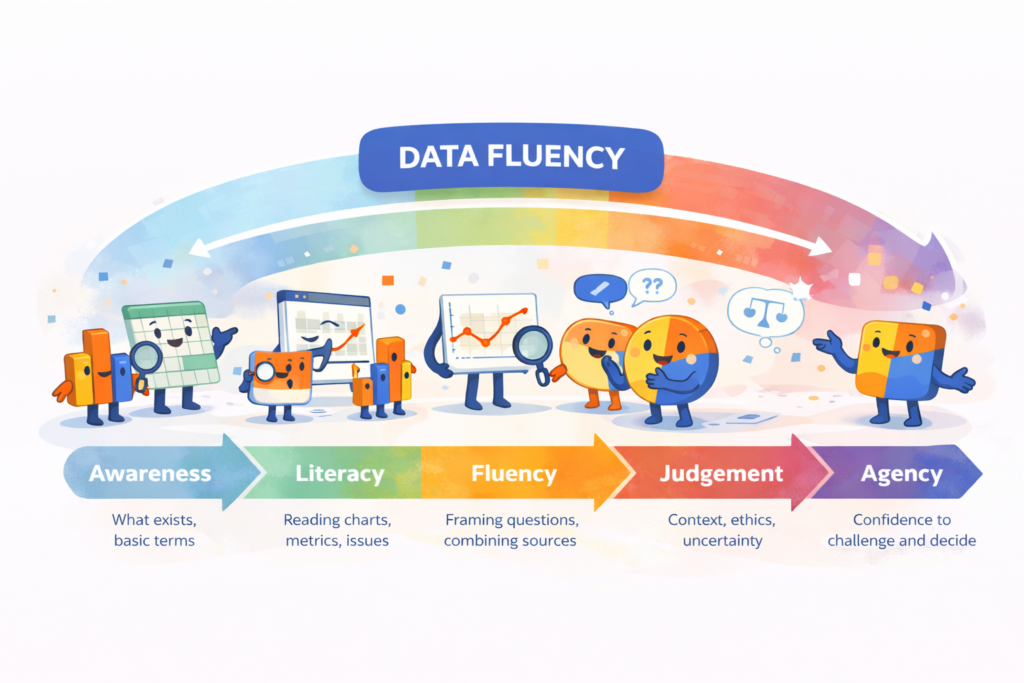
Learn about my Data Fluency Framework
Find out about how data fluency is a key element in improving how you, your teams and your organisation can make better decisions using data.
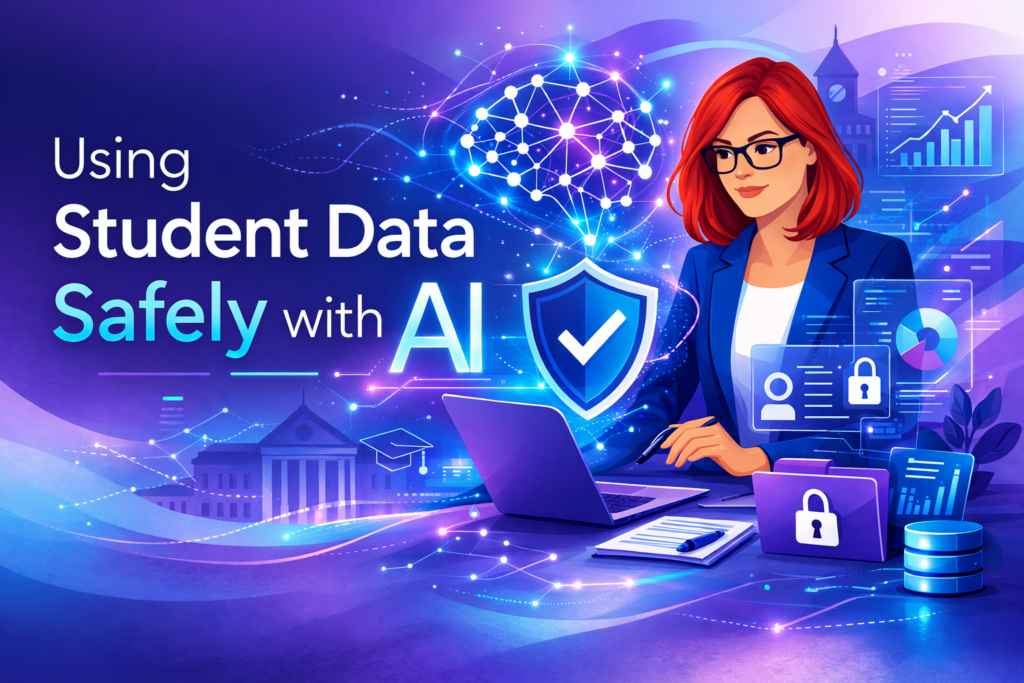
Worried about using data with AI?
This handy checklist will help you to assess what safeguards you should use when working with Student Data in AI.